
Ambisonic microphone systems you can buy
Ambisonic microphone systems you can buy
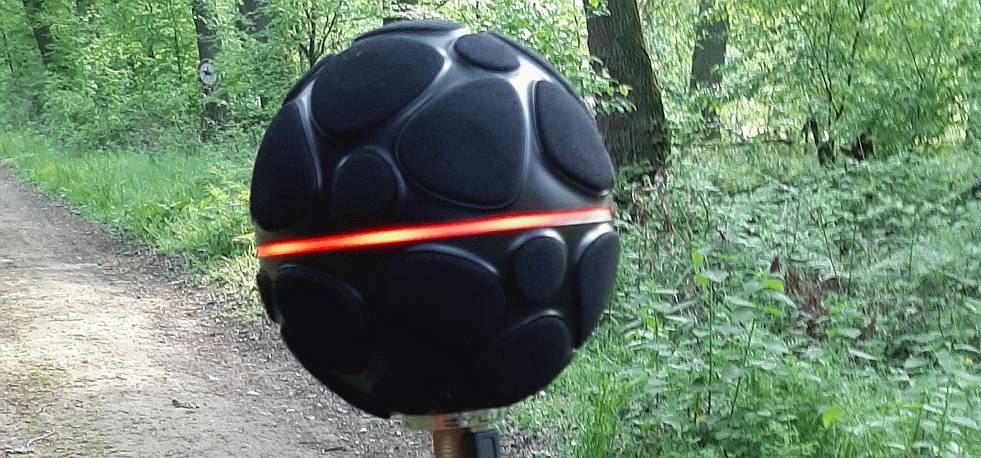
Zylia ZM-1
If you have some money saved up and are looking for an extraordinary high-order ambisonic microphone system, you may want to try this:
People sometimes sell the Zylia ZM-1 on eBay for an attractive price because they don't know what this microphone system is capable of.
If you're lucky, you might find an original, unopened box for $500-$700.
Make sure you have the "Have it all" version. That way, you'll have the cable, software, and everything else.
It's pretty versatile and works via USB 2.0. If you have a laptop (Linux, Mac or Windows), you can start using it in a few minutes. If you have an iPad Pro, make sure it has an M1 or M2 CPU.
No older CPU will work!
We don't know if newer CPUs will work, but we would expect that.
The crazy thing is that you can convert a ZM-1 signals into Dolby Atmos using either Reaper or Pro Tools. Check THIS out!
For rendering your recordings to Dolby Atmos ADM files, you will also need some Dolby Atmos rendering software, like the Dolby Atmos Renderer or the Fiedler Audio Atmos tools. The free Dolby Atmos Composer essential version is sufficient for this purpose. It's more than enough to get you started. And if you feel the need to be able to do more, Fiedler Audio also sells a PRO-version.
Zoom H3-VR
This highly versatile recorder is just first-order ambisonic. But don't judge a book by its cover!
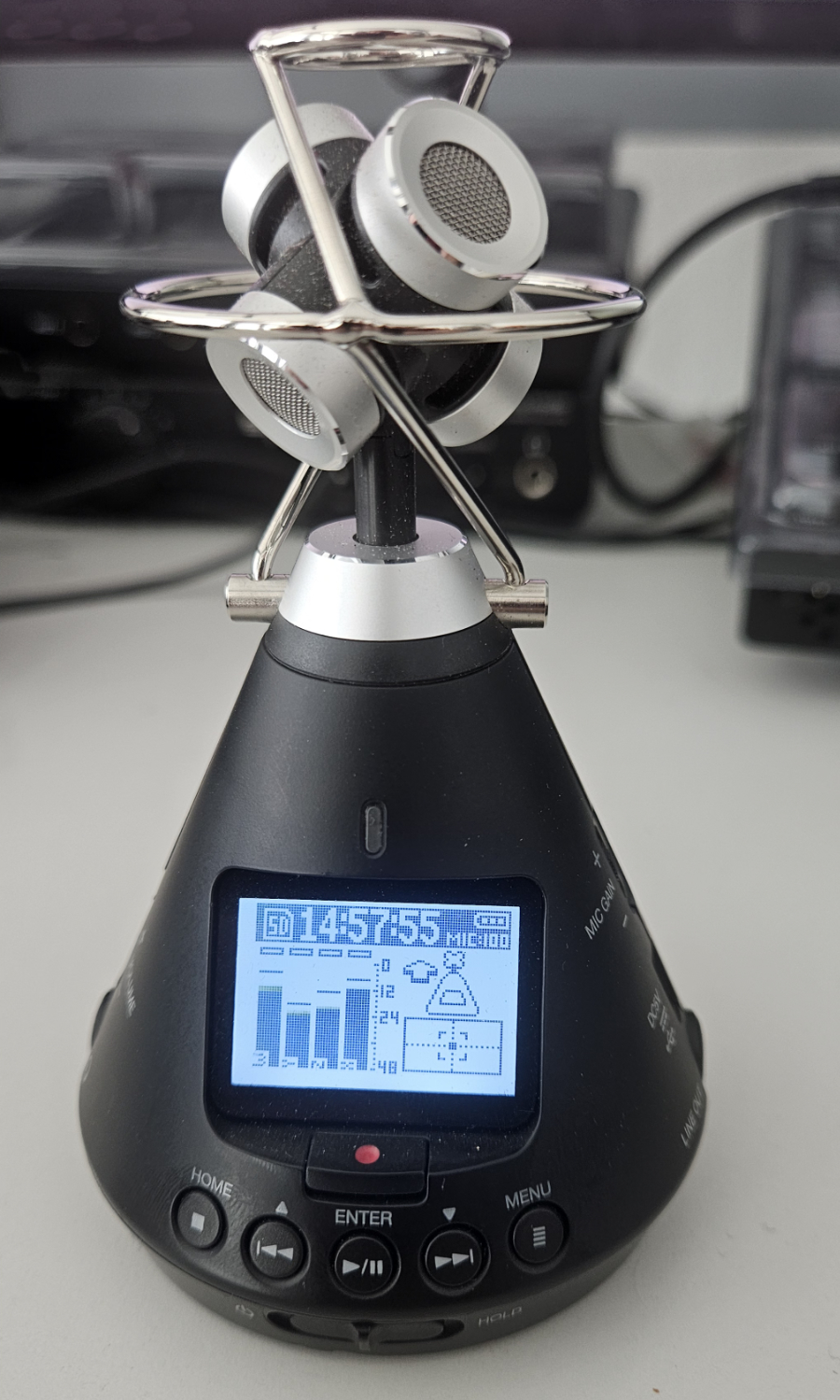
The greatest thing about this unit is that it supports your "ambisonic workflow".
The sound quality is quite good and you can have real-time binaural monitoring if you accept some minor limitations, such as a maximum sampling frequency of 48 kHz.
If you screw it on a regular camera tripod or a handheld shock-mount, you can make impressive ambience recordings. With the handheld shock-mount even when you walk!
The windshield (black foam) is not bad, but not great either. We use the standard Rycote BBG wind screen, which fits great over the H3-VRs own wind protection foam.
When we are out in the field and set everything up, we setup the H3-VR first, apply the wind-shield and hit record. So we won't miss a thing. Maybe it's not the best recording position, but it is always a 100% more than nothing.
Including everything (Wind-shield, 2 AA batteries, H3-VR) the total weight is little bit about 200 g! And there is always a place in the backpack, in your coat's pocket or you carry it with an appropriate shock mount while you walk to the venue.
We also published a more elaborated article about the Zoom H3-VR
Zoom H2essentials
This new handheld recorder from Zoom is a hidden champion.
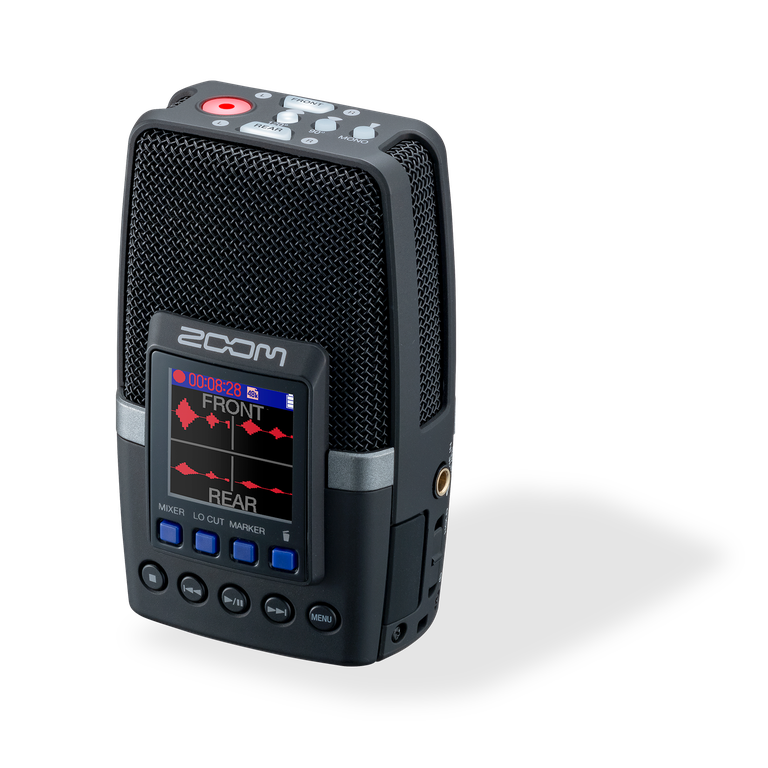
But first things first! This is not an ambisonic recorder. BUT ... it can record surround sound that you can render as 5.0 surround or Ambisonic using either the free plugin from Schoeps or the "ab Encoder MS" in your DAW.
The "ab Encoder MS" is not for free, but more than worth the 15 USD they request! With this you can convert recordings of the H2 (for short) right into ambisoinic or via the Schoeps plug-in into 5.0. It's your choice.
The H2 can set into a mode, where it records "Front M/S" and "Back M/S" at the same time. This is what we are after and in a different article we show you what to do, to get your 5.0 surround sounds from it.
The greatest thing of the H2 is its size. Its about a regular box of cigarettes AND it records in 32 bit float. So (almost) no worries about the gain. That makes it great for on site recordings, when you want to record shy animals. With freshly charged lithium batteries you can record about 8 hours in a row. Maybe a little bit more.
With a serious wind shield, the total weight is also about 250 grams. If you mount it on a regular camera tripod it can be setup very fast and it also works great on a handheld shock mount while walking around.
SPCMIC
When you first see the spcmic, you won't guess what it is capable of.
It is, like the Zylia ZM-1 a third order ambisoinic microphone system.
Due to some information of the developer, there will be some significant upgrades soon.
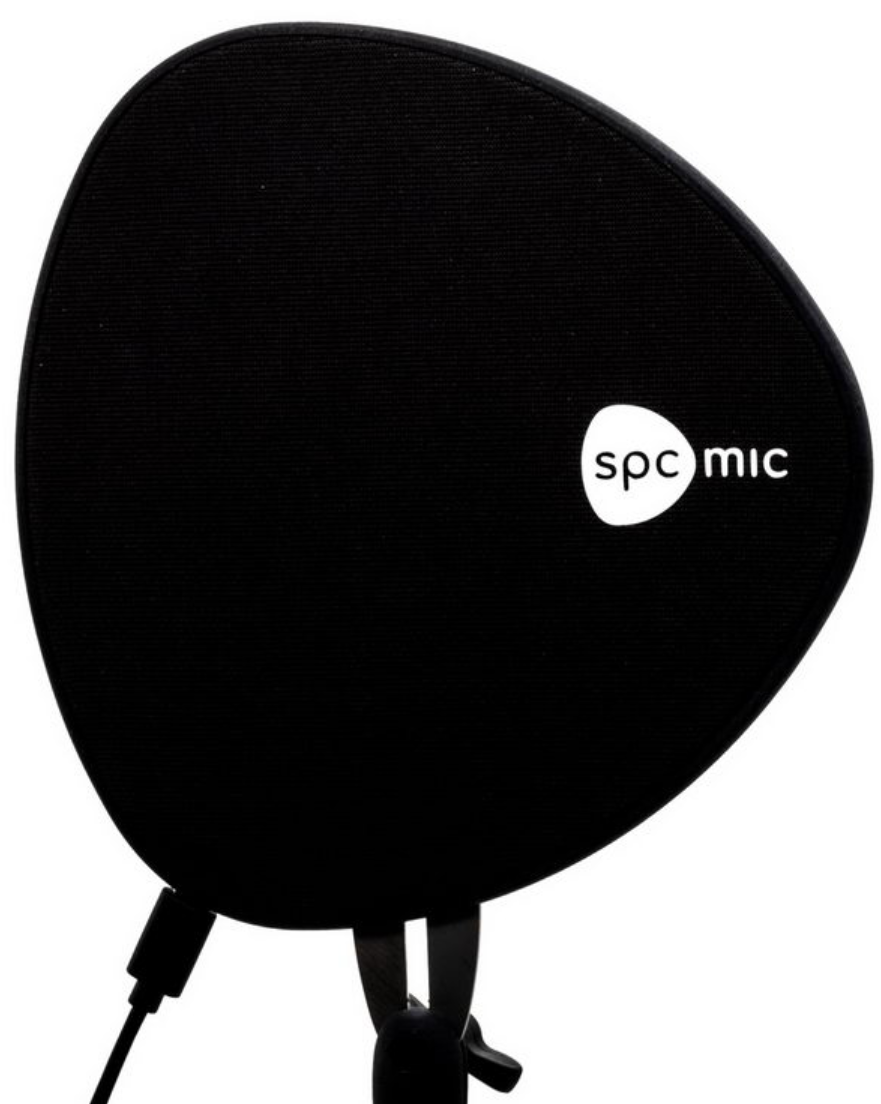
The "normal" settings provide an equivalent self noise: 3 dB-A, 12 dB CCIR (in ultra sensitive mode) and an acoustic overload point: 130 dB SPL
If you are not firm with these numbers, it means, that the spcmic is producing almost no audible self-noise, like the real EXPENSIVE studio microphones you know.
You could record the fly of a bee and the shot of a gun.
It will be used with a regular laptop (Mac or Windows) or in the near future with a tablet or even a (modern) mobile. Without a windshield the total weight is just 158 g, without the USB-cable.
The only "problem" is this little tag. That's not the ordering number, that's the price: 1,999 € plus taxes, insurance and shipping.
This is a very nifty microphone system! Actually it's not a microphone system in the closer sense of the word. It consists of 84 MEMS and provides a lot of features that become more and more over time.
For the latest information about this, please check their website: spcmic