Tutorials
Sometimes, setting up the best microphone system for a given purpose only requires remembering a few details. Other times, you may not be completely sure about one or two details. In that case, it's great to have these tutorials on hand!
We recommend downloading them to your mobile device so that you have them on hand in case you need them. This way, you'll have them even if there is no network available.
These tutorials are one possible solution. They have worked well for us many times, but there are other ways to set up these systems. Maybe you'll find an even better way. If so, we would be very pleased if you shared your solution.
We value feedback and pay close attention to it. Much of what we know today, we learned from other sound engineers and their knowledge and experience.
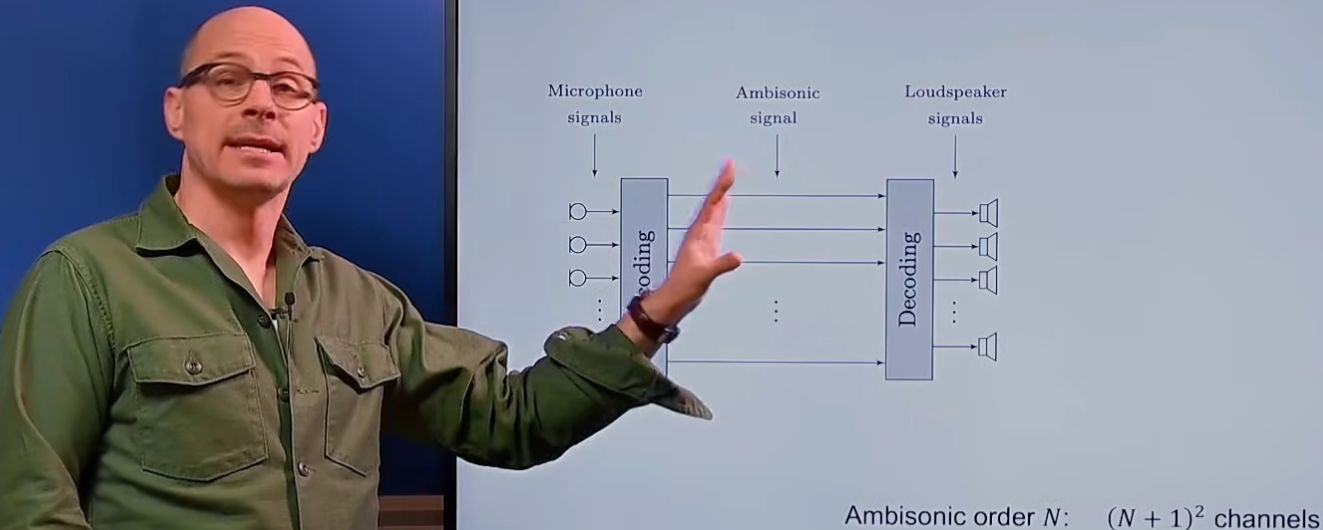
Due to your demands, we are providing links to tutorials about ambisonic. These are NOT our own, but may assist you in understanding ambisonic even better.
But! - Wait a minute! How exactly do I have to build the First Order Ambisionic (FOA) setup with the three figure-of-eight and the omni, to get anything in native B-format?
Or you need FOA, but also need a separate "Geofone", but you only have a handheld-recorder with just four inputs. Then you remember the FOA system with three microphones, but how exactly was that setup?
If this is your worry, here you will find some tutorials how to setup the ...
easy systems ...
extended or ...
advanced systems. Which one you chose just depends on your requirements and your ideas about how it should sound.
But that's not all. Once you've finished recording and are ready to mix, edit, modify, or enhance your work, you'll need software such as a DAW and several plug-ins.
We'll provide tutorials for these purposes, but please bear with us as this will take some time.
We'll make them available as soon as possible.
... and if you like the tutorials and they helped you get going, please donate something, if you can.
You should also read:
Tutorials - Ambisonic
Tutorials - Ambisonic Due to some demand, we are providing links to tutorials about Ambisonics. These are NOT our own. Please note that these links are provided for your convenience only, and we are not responsible for their availability or content. When we checked these…
Continue reading...Tutorials - Post-pro
Tutorials - Post-pro On this page you will find some tutorials about what to do with your recordings, once you've finished recording and are ready to mix, edit, modify, or enhance your work. We'll provide tutorials for these purposes, but please bear with us as…
Continue reading...Tutorials for easy microphone systems
Tutorials for easy microphone systems You will find tutorials here on how to set up easy microphone systems. We update this page from time to time, so please check back for new tutorials any time you like. ... if you like what you see, please…
Continue reading...Tutorials for advanced microphone systems
Tutorials for advanced microphone systems Inspired by the ECHO project we will show you advanced microphone systems, not only in ambisonics. We are convinced, that these systems will also inspire you and may be helpful, if you have to record an orchestra. No matter which…
Continue reading...Tutorials for extended microphone systems
Tutorials for extended microphone systems You will find tutorials here on how to set up some extended microphone systems. We update this page from time to time, so please check back for new tutorials any time you like. ... if you like what you see,…
Continue reading...