How to get started ...

How to get started ...
We have been asked how to get started with immersive audio on a very limited budget. Well, it can be done, but it may require some tricks.
Your first step may look like this ...
First things first: Define what you want to achieve. Do you just want to take your first steps without knowing if you want to do more?
If so, the solution is simple and inexpensive.
Look for people who will lend you immersive gear for a day or two in exchange for a modest fee. A Keyword you may want to look for is "Zoom H3-VR".
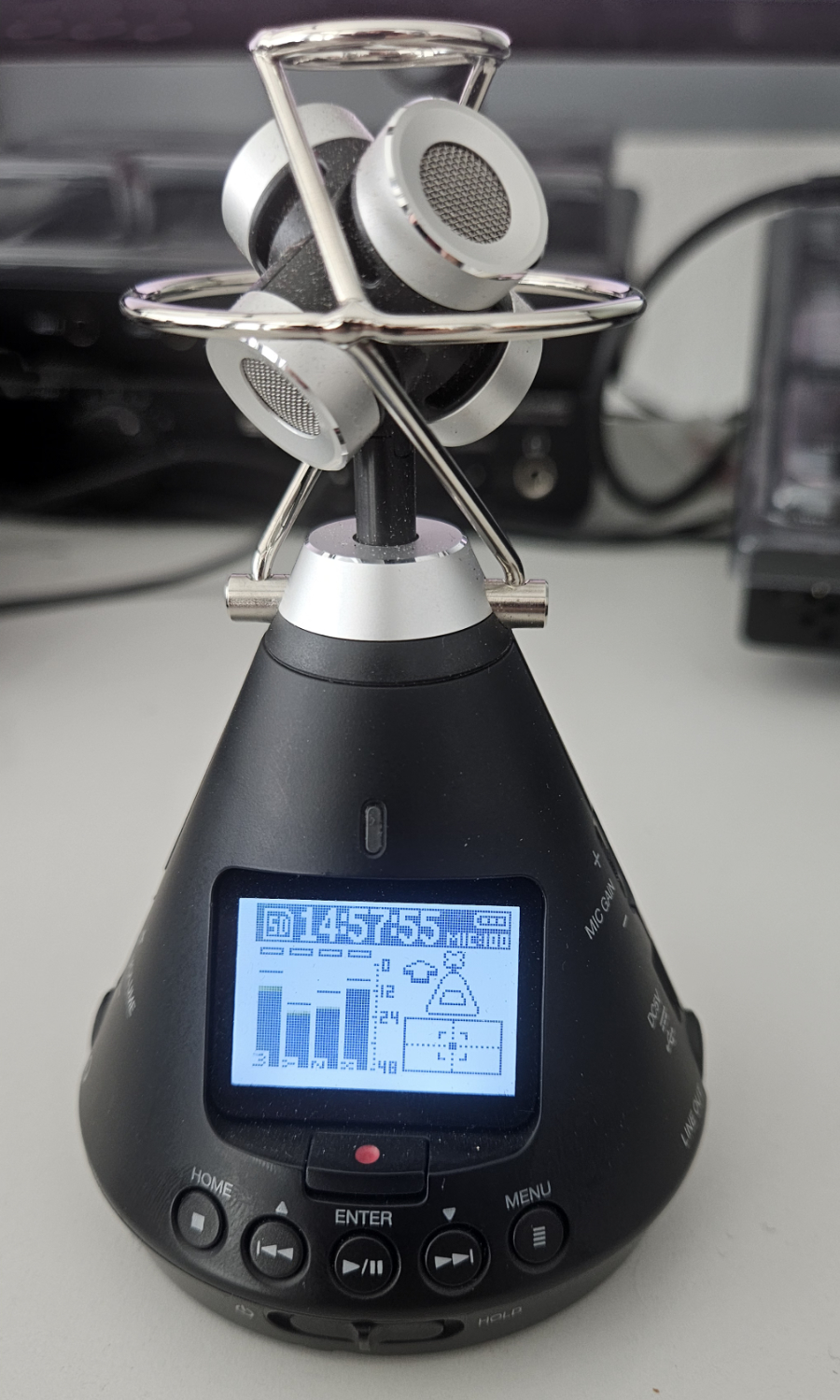
This is a compact yet effective solution. It is about the size of an adult's fist, and the total weight, including batteries, a micro SD card, and foam wind protection, is a little less than 200 g.
For your convenience, you may want to use in-ear headphones with a cable. They don't need to be top-of-the-line; just good enough to confirm that the recording is working.
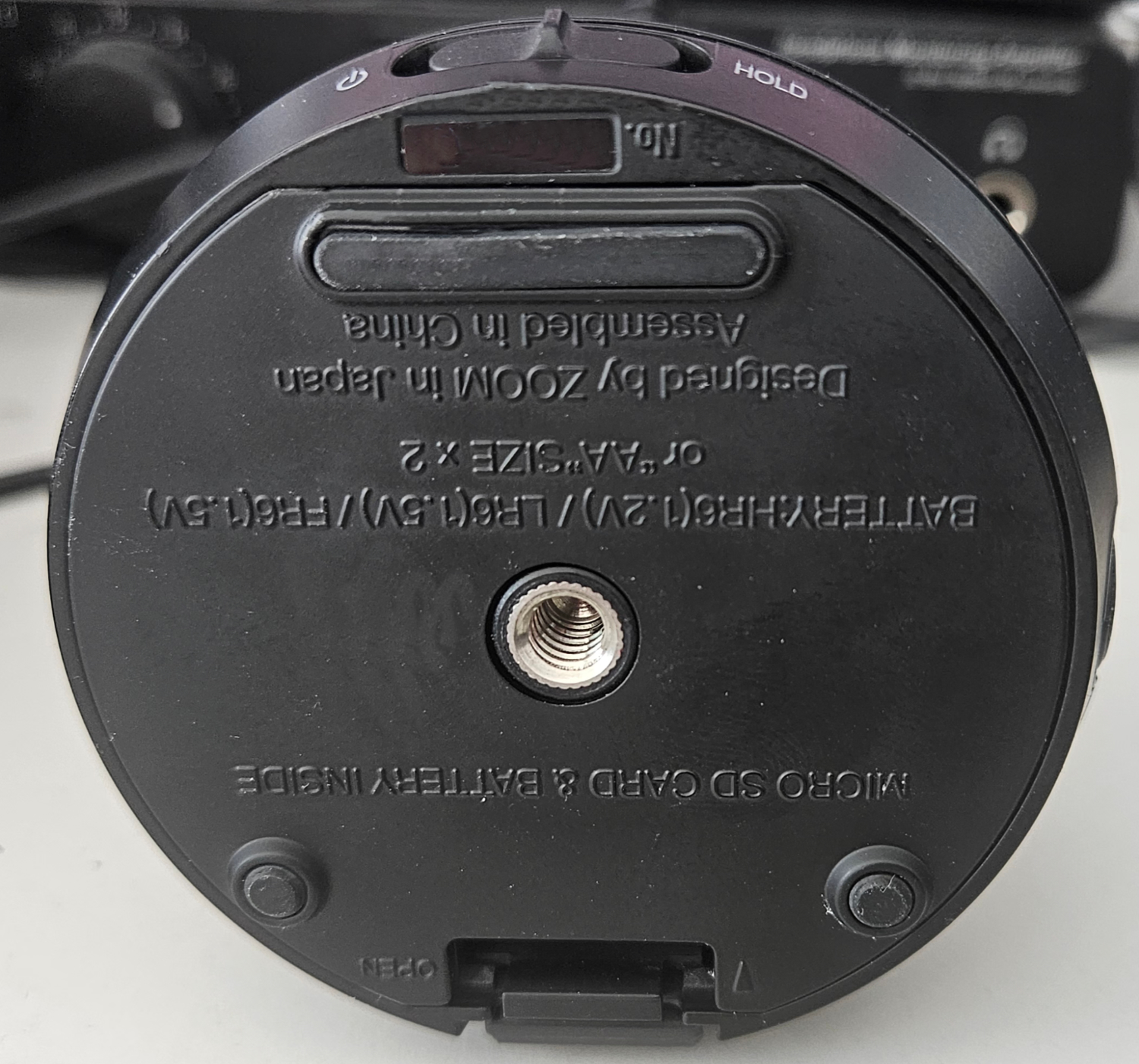
What we like very much is the 1/4" connector at the bottom of the unit.
If you're recording outside, we highly recommend using wind protection. You will hardly notice the slight reduction in high frequencies, and EQs are there for a reason.
If you like this, you can get the Zoom H3-VR at almost any music gear shop for about 250$. We recommend to have at least four AA rechargeable batteries with you, where ever you will go. For convenience and faster setup times, we also recommend to have another set of four batteries at home in the recharger.
One step ahead ...
Now that you're ready to dive into immersive audio, it's time to take the next step.
This means you can either purchase your own Zoom H3-VR or check what is in stock at your studio.
If you choose to be more flexible and you want to expand your possibilities, then you are in the need of additional gear.
This is, when we would like to direct your attention to our tutorials of easy to build microphone systems. There you will find some tutorials how you can expand your abilities to record even more detailed immersive audio soundscapes.
However, each of these tutorials requires a handheld recorder with at least four XLR microphone inputs.
Now is a great time to buy a good handheld recorder of this kind at a reasonable price. For example: You can find a used Zoom H6 on eBay for around $200. Yes! These are 24-bit recorders. Advertisements will give you the impression that you must have a 32-bit recorder.
But is this really true?
How on earth did we manage to make great recordings before we got 32 bit (float)?
The advantage is that you will get quite a bang for your buck! These recorders aren't at the top of the list anymore, but they still deliver great recordings when keep an eye on the gains. Maybe this seems more common to me because I've been doing this for more than 40 years, but it's not rocket science. Just some experience and you are the king of the road.
Of course there are a lot of other recorders of this kind and it would lead much to far away from this topic, to name them all. We hope, you will get the picture.
So let's have a quick look at the prices:
- Handheld recorder: ~200$
- Four SDC cardioid microphones: (entry level) ~ 80$
- Four additional wind protecions: ~30$
- Four XLR cables (10 m each): ~ 50$
- Manfrotto Dado Kit with 6 pipes: ~ 70$
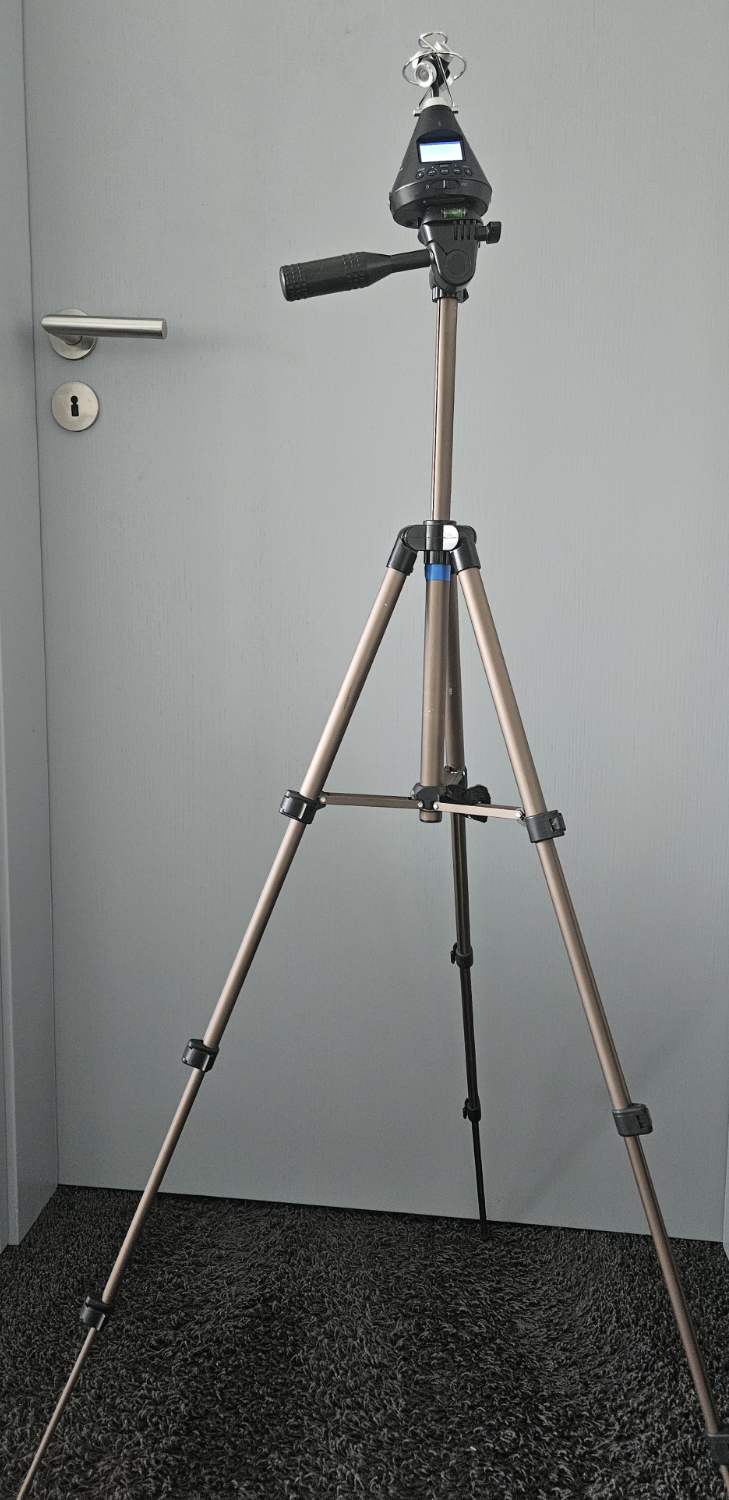
- A quite stable tripod: ~30$
- Eight AA rechargeable batteries incl. recharger: ~30$
- In-ear headphones: ~ 10$
The total cost comes to about $500. That's quite a lot of money, but you can build some very different and useful immersive microphone systems.
The best part is that you can expand your setup at any time and create an even bigger, more capable systems and record even more interesting soundscapes.
In other words, this will be the gear you start with and will most probably use for years.
Where to go from here ...
Actually, it's totally up to you. You can expand your gear as much as you like (your budget will be the limit). Most probably you will exchange some parts and replace them with high-quality gear. That's the way it goes.
Maybe you find some inspirations or you will just use our tutorials about extended or advanced Immersive recording systems.
Please bear with us! We are adding more and more tutorials, but as we strive to find a budget-friendly solution, it may take some time.
As always! If you have some tutorials about how to setup another system, we would be more than pleased to learn about it and if you like, we publish it on this site. With your name and brand, if you like.