
Multicore - 4 Channels
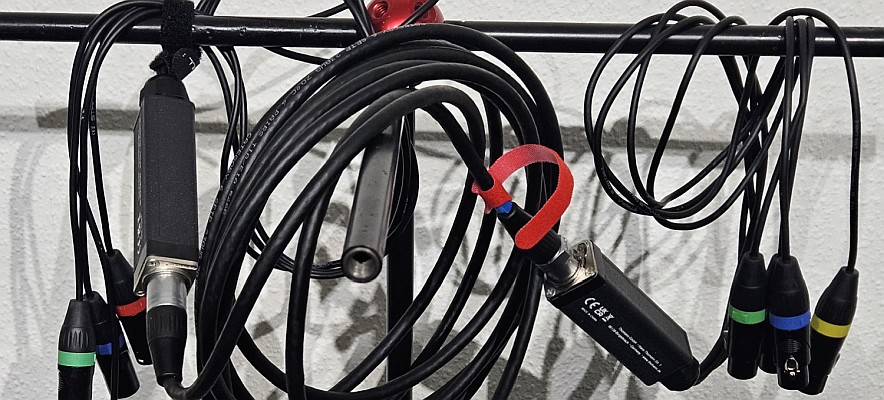
Multicore - 4 Channels
A multicore is a multicore is a multicore! Or isn't it really?
What is a multicore? - A multicore contains two or more (microphone-) channels in one cable. This makes it easier and faster to handle, and it looks less obtrusive when recording in front of an audience.
A four-channel multicore is handy since we often have four or a multiple of four channels.
We came across a nifty, versatile, and affordable solution.
This multicore is designed for use in show lighting, for multi-channel DMX. DMX is a digital protocol to control the features of a show light.
After doing some research, we found out that there is a CAT 6e standard for RJ45 connectors, which are the typical network connectors found on computers.
CAT 6e is just one of many standards, but it has features that are important to us when it comes to sound:
- The diameter of each conductor inside this cable is the largest possible with CAT cables for the price.
- The attenuation at 1 MHz is about 2 dB at a length of 100 m — or, in plain English, it's not an issue.
Wait a minute! None of our handheld recorders have an RJ-45 connector. How will we get the signal in and out of this four-channel multicore?
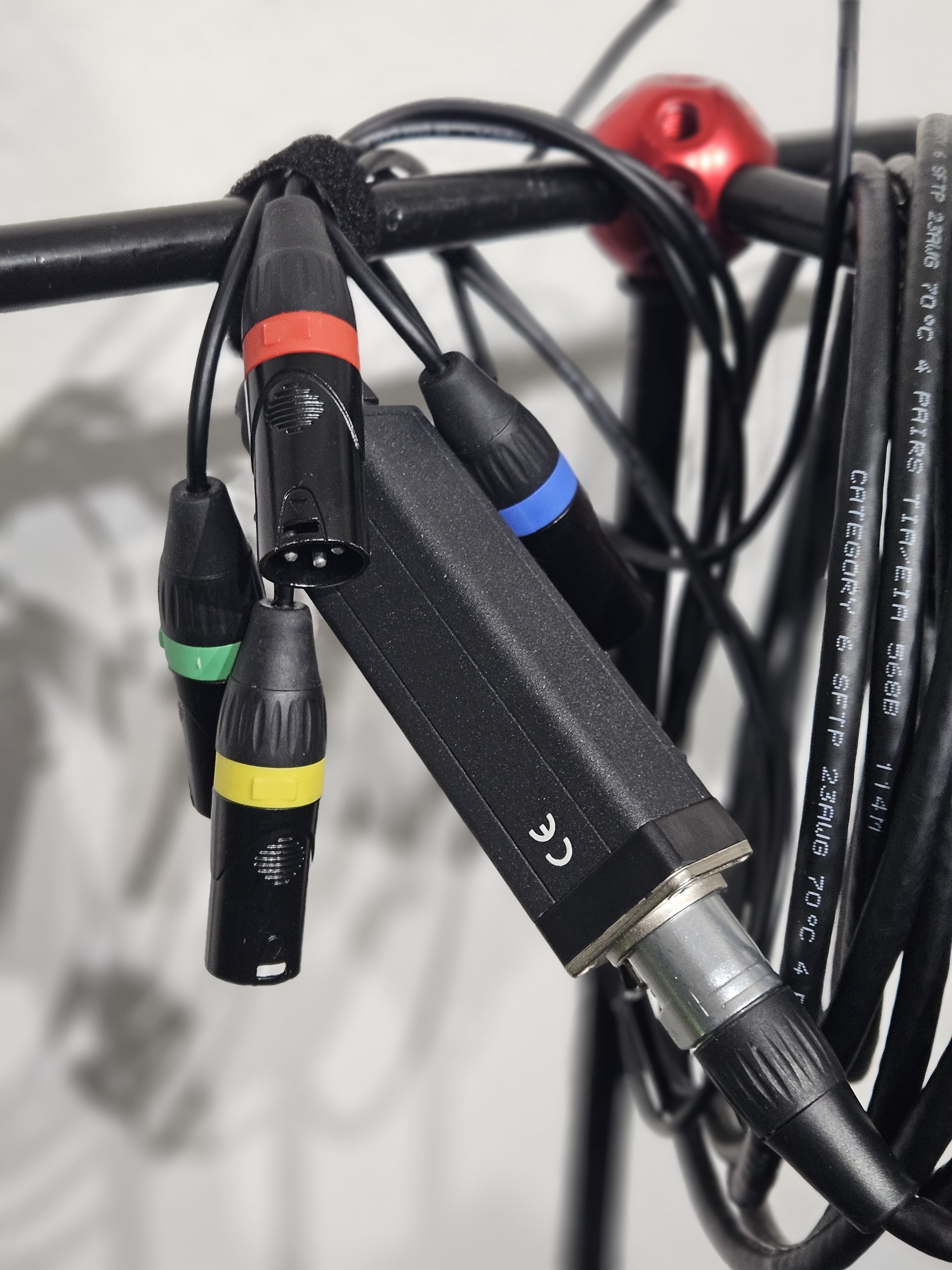
The splitters are the most expensive, costing about $30 each. However, these splitters allow you to use different lengths of multicore cables.
There are also inexpensive CAT 6e connectors available to extend the cables if needed.
For example, there is the Neutrik NE8FFX6-W feedthrough coupler (see picture below) for cable extensions.
It meets the IP65 standard. This means it is protected against dust and water from all directions. While we wouldn't submerge it in water, it can withstand heavy rain, at least based on our experience.
The downside is that it costs about $35, depending on your local dealer. If you are recording out in the field, don't try any cheap ones!
Dust and rain are your enemies! Using +48V phantom power could result in a short that would potentially destroy your inputs and/or microphones. From this perspective, $35 is a very good price, isn't it?
(Dear people at Neutrik, this is not a call to raise the price. It's expensive enough, right?)
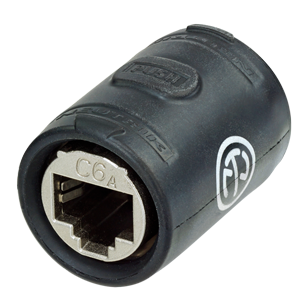
You may use more than one feedthrough coupler to extend your cables. We regularly use multiple feedthrough couplers as needed.
A 10-meter (about 30-foot) CAT 6e cable costs about $20. A 50-meter CAT 6e cable costs around $90.
You might find a special offer, in which case the price would be 20%-30% less.
BUT...watch out! We only use CAT 6e cables. Period.
If you often record outside, consider using a CAT 6e cable with thicker external insulation. There are also versions for indoor use only.
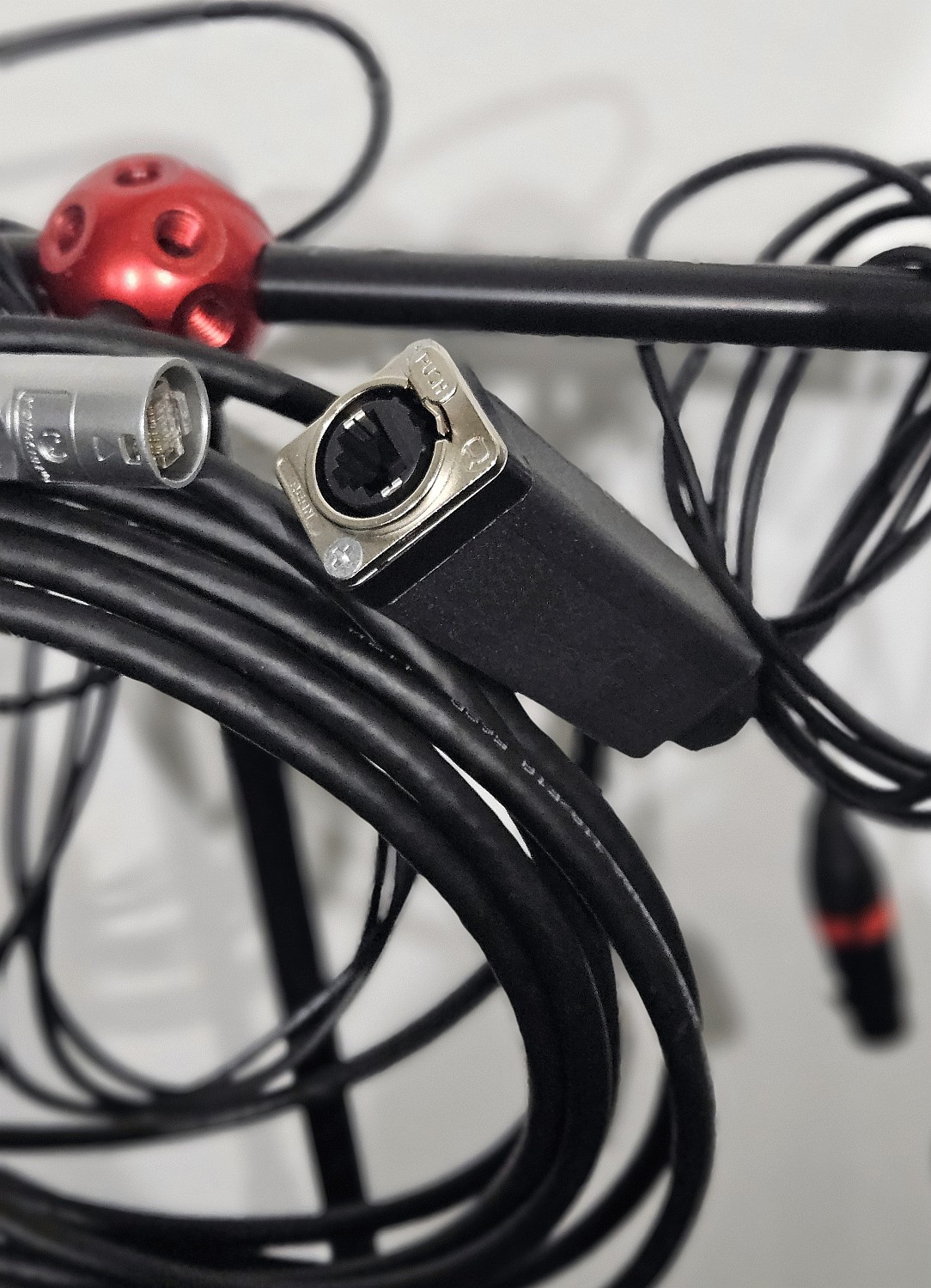
Another major advantage is that you can set up the microphone system at home and take as much time as you need to do it properly. You can perform several checks and do test recordings if needed.
Then, before going to the recording location, you can secure the cables and splitters to your hardware and stands.
During transportation, nothing will fall apart or change position.
Once you arrive at the venue, all that's left to do is connect the CAT 6e cables to the splitters, perform a short line check, and press "record."
Reliability is paramount. We prefer this solution because it significantly reduces the risk of poor or unusable recordings and is user-friendly. If you label your multicore cables, you won't mix up the channels. This allows us to focus fully on the recording without stress.
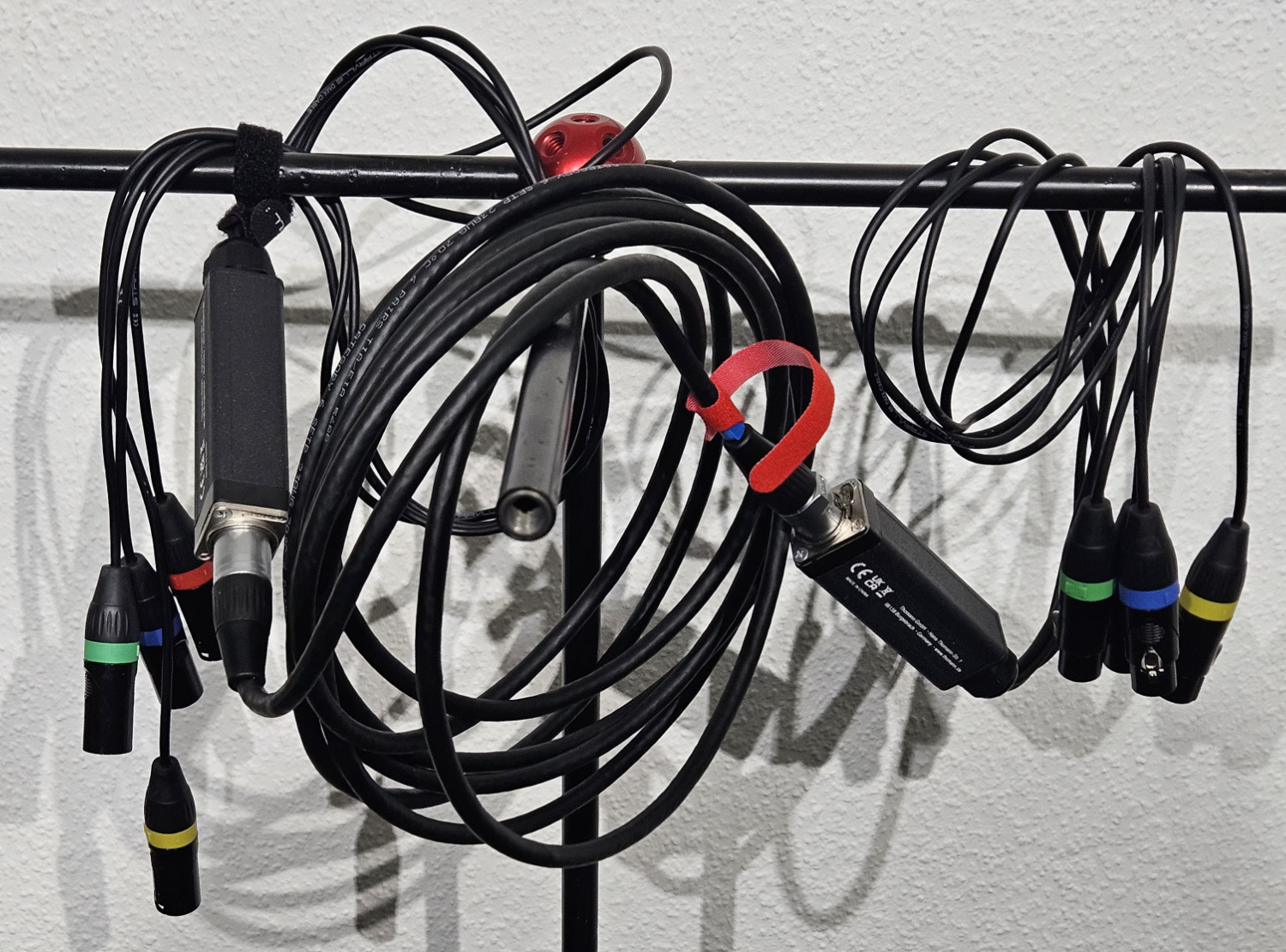
If you need more than four channels, you can use a second four-channel multicore or more.
We use colored binder clips to distinguish the multicores from each other. You can purchase a large set of them almost anywhere for just a few bucks.
Before your equipment gets damaged in heavy rain, read THIS article.
... if you like what you see, please consider a little donation.